Lead Service Line Identification

Tools Needed:

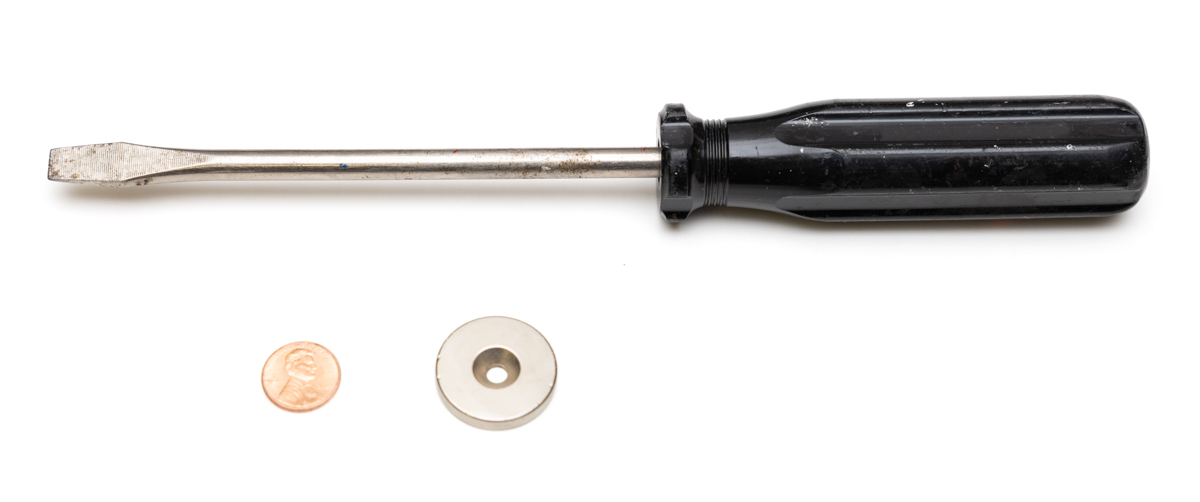
  • Flathead Screwdriver
  • Magnet
  • A Penny (or other coin)
A screwdriver, a penny, and a small silver-colored magnet.
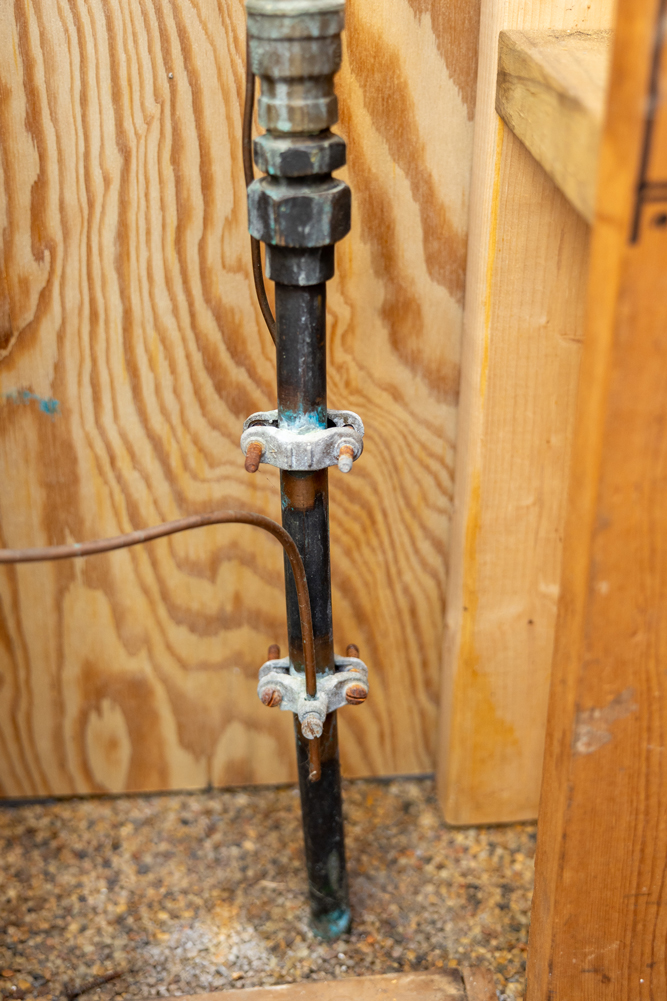
A copper water service line coming out of a basement floor.

Step 1: Locate the water service line coming into the building

Your water service line is typically found in the basement. An “inlet valve” and the water meter are installed on the pipe after the point of entry. Identify a test area on the pipe between the point where it comes into the building and the inlet valve. If the pipe is covered or wrapped, expose a small area of metal.
Step 2: Perform the Scratch Test, Magnet Test, and Tapping Test

  1. Use the flat edge of a screwdriver or other tool to scratch through any corrosion that may have built up on the outside of the pipe.
  2. Take your magnet and try to stick it to the service line pipe.
  3. Tap the pipe with your coin and observe the type of sound it makes.

Step 3: Measure Your Results

Use the characteristics listed below to determine what type of pipe you have in your home.

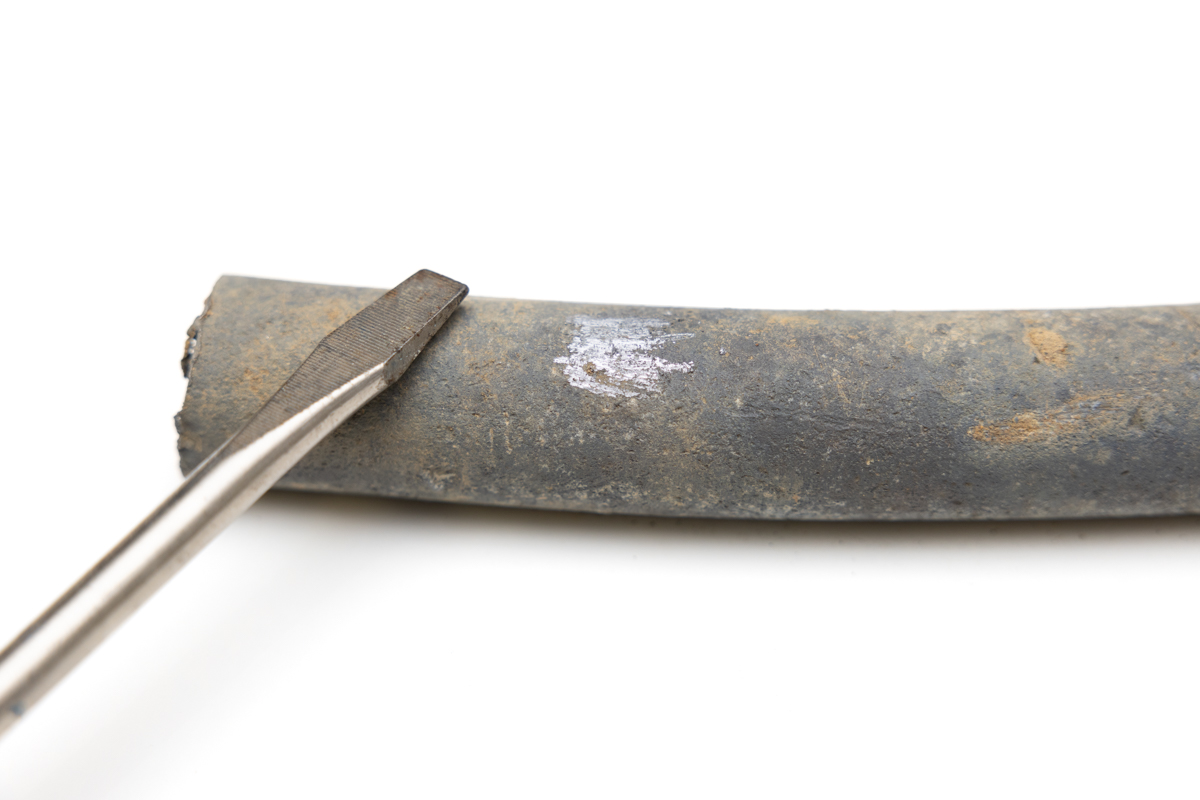
Lead PipeA lead pipe showing a silvery surface when scratched by a screwdriver.

  • Scratch Test: If the scratched area is shiny and silver, your service line is lead.
  • Magnet Test: A magnet will not stick to a lead pipe.
  • Tapping Test: Tapping a lead pipe with a coin will produce a dull noise.

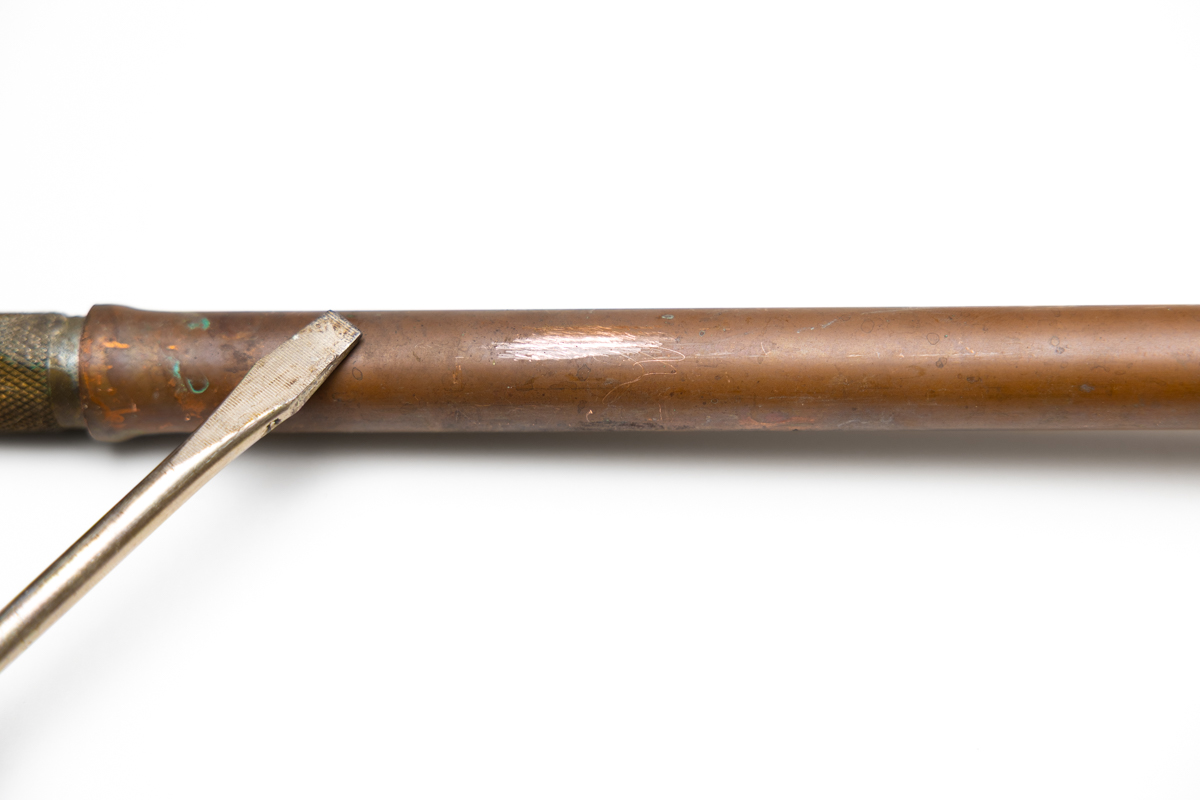
Copper PipeA copper pipe showing a shiny copper color when scratched by a screwdriver.

  • Scratch Test: If the scratched area is copper in color like a penny, your service line is copper.
  • Magnet Test: A magnet will not stick to a copper pipe.
  • Tapping Test: Tapping a copper pipe with a coin will produce a metallic ringing noise.

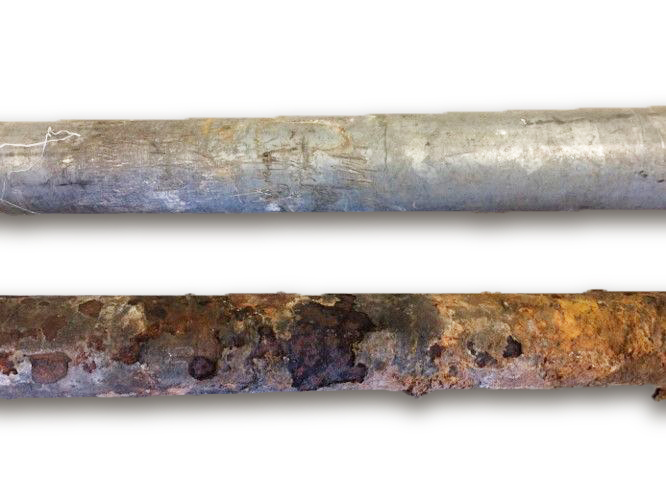
Galvanized PipeTwo old galvanized steel pipes - one cleaner, one rusted.

  • Scratch Test: If the scratched area remains a dull gray, your service line is galvanized steel.
  • Magnet Test: A magnet will stick to a galvanized pipe.
  • Tapping Test: Tapping a galvanized pipe with a coin will produce a metallic ringing noise.